



Why a Better Diamond Blade Is Worth the Investment
Published on
November 12, 2025 at 9:55:31 AM PST November 12, 2025 at 9:55:31 AM PSTth, November 12, 2025 at 9:55:31 AM PST
When it comes to cutting concrete, asphalt, or other hard materials, selecting the right diamond blade is one of the most important decisions you can make. With so many options available—ranging from economy to premium grades—it can be tempting to go for the lowest price. But short-term savings often lead to higher long-term costs. The right premium blade improves safety, productivity, and cutting quality while reducing downtime and risk.

Why Blade Selection Matters
Contractors often ask what separates a cheap diamond blade from a premium one. The difference shows up in performance and value over time. Lower cost blades tend to wear down quickly, need frequent replacement, and slow production. Premium blades use higher grade diamonds, stronger cores, and specialized segment designs that extend life, improve safety, and deliver cleaner cuts.

Diamond Blade Safety: Match the Blade to the Saw
Safe sawing starts with understanding your equipment. Always choose a blade that matches your saw’s horsepower and arbor size. A mismatch can cause overheating, wobbling, cracked cores, or segment loss, which creates serious safety risks.
Premium blades engineered for specific materials and saw types reduce the chance of kickback or failure. When the blade is properly matched to your saw and application, operators can cut with confidence knowing the setup is safe and efficient.
How the Right Blade Improves Productivity
Efficiency follows compatibility. A blade performs best when it is used for its intended application. Budget blades often wear out fast and require frequent changes, which increases downtime and overall blade spend.
High grade blades usually cut faster and stay sharper longer. That keeps crews moving, reduces changeouts, and helps you finish more work in less time.

Get Clean, Precise Cutting Results
Quality cuts in hard materials depend on precision and cleanliness. Premium blades with high quality, densely concentrated diamonds maintain accuracy across the life of the blade. This helps prevent chipping and spalling in freshly cut joints.
Consistent, accurate cuts protect appearance and structural performance. Avoiding uneven cuts and rework saves time and money on every project.

Invest for Long Term Savings
Look past the purchase price when evaluating blades. A premium diamond blade often lasts longer, cuts faster, and reduces downtime, which lowers your total cost over the job and over the season.
Whether you run a cut off saw, a walk behind saw, or other cutting equipment, prioritize what matters most to your business: safety, productivity, and cut quality. If those are at the top of your list, start with premium, application specific diamond blades.
Steps to Selecting the Right Diamond Blade
1. What Material Are You Cutting?
Diamond blades are built with different segment bonds ranging from soft to hard. To get the best performance, the bond should be the opposite of the material being cut. Identifying the type and aggregate of the material helps extend the life of your blade.
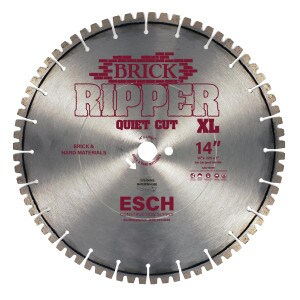
For hard materials like granite, stone, or brick, use a softer bonded blade such as the Esch Brick Ripper or Ol’ Blue Blade. For softer materials like asphalt or concrete, use a harder bonded blade such as the Esch Boss Blade.

2. What Equipment Are You Using?
The saw’s horsepower directly impacts your diamond blade’s performance and life. The blade’s characteristics should align with the saw’s power rating. Higher horsepower saws typically require blades with higher diamond concentration levels.
Running a saw too fast can cause the blade to lose tension, glaze over, or overheat, creating safety and productivity issues. Running a saw too slow reduces cutting performance and efficiency. Matching the blade to your equipment ensures the best results.
3. What Is Your Depth of Cut?
Knowing how deep you need to cut helps you choose the right blade for the job. Every saw has a maximum cutting depth based on its design and components. Blade guards and motor housings can reduce how deep a blade can cut.
Always check your owner’s manual or refer to Esch Construction Supply’s Diamond Blade Cutting Guide for maximum cutting depths by saw type and blade diameter.

4. Are You Wet Cutting?
Determine whether water is required for your cutting application. Blades designed for wet cutting must always be used with water, while dry blades can often handle both wet and dry cutting conditions.
Wet cutting helps control dust, prevents overheating, and extends blade life. The right amount of water is key—the slurry should have a chocolate milk consistency for optimal performance.

5. Can You Get More Longevity from the Blade?
A diamond blade’s life depends on many factors including its quality, bond design, saw speed, and operator technique. Premium blades with a higher diamond concentration and quality perform better and last longer.
Blades should also match the aggregate type. Harder materials like old concrete require softer bonded segments to expose more diamonds. Softer materials like asphalt need harder bonded segments to slow down wear. Using the wrong bond can result in faster wear and lower performance.
Saw RPM also affects longevity—high RPMs wear blades faster than lower ones. Finally, the operator plays a big role. Applying too much pressure during cutting can wear segments down faster than maintaining steady, minimal pressure.

Ready to Choose the Right Blade?
Esch Construction Supply carries premium diamond blades for concrete, asphalt, and other hard materials. Our team can help you match the blade to your saw, material, and job requirements.
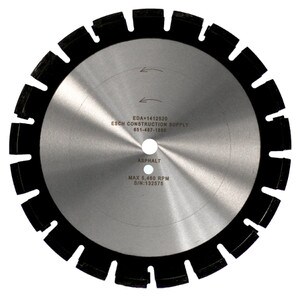
Explore Featured Diamond Blades

Read Featured Articles
Best Blades for Masonry Cutting: Top Diamond Blades for Brick, Block, and Hard Materials
If you’re cutting brick, block, pavers, or hard masonry on the job, the right diamond blade makes a big difference. The right blade cuts faster, tracks straighter, and holds up longer, which means fewer blade changes and fewer headaches.
Segmented vs. Turbo vs. Continuous Rim Diamond Blades: Which One Should You Use?
If you’ve ever stood in front of a blade rack wondering which diamond blade to buy, you’re not alone. The biggest difference between common diamond blade types comes down to the rim design:
Diamond Blades Near Me (In Stock + Ready for Pickup)
Looking for diamond blades near you? Esch Construction Supply stocks professional diamond blades for concrete and asphalt cutting, with the right options for handheld cut-off saws and walk-behind saws.
Abrasive Cut-Off Saw Wheels: How to Use Them Safely
Abrasive cut-off saw wheels are a common tool on jobsites, especially for cutting steel and masonry. When they’re used and handled correctly, they’re effective and reliable. Most problems don’t come from the saw itself. They come from damaged wheels, improper storage, or using the wrong wheel for the RPM of the saw.
Why a Better Diamond Blade Is Worth the Investment
When it comes to cutting concrete, asphalt, or other hard materials, selecting the right diamond blade is one of the most important decisions you can make. With so many options available—ranging from economy to premium grades—it can be tempting to go for the lowest price. But short-term savings often lead to higher long-term costs. The right premium blade improves safety, productivity, and cutting quality while reducing downtime and risk