


Abrasive Cut-Off Saw Wheels: How to Use Them Safely
Published on
January 8th, 2026
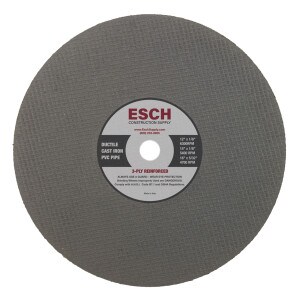
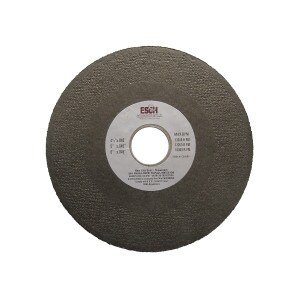
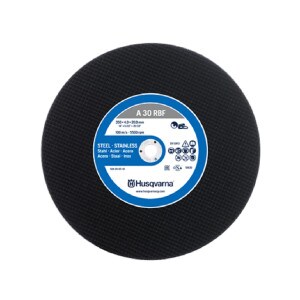
Abrasive cut-off saw wheels are a common tool on jobsites, especially for cutting steel and masonry. When they’re used and handled correctly, they’re effective and reliable. Most problems don’t come from the saw itself. They come from damaged wheels, improper storage, or using the wrong wheel for the RPM of the saw.

Why Blade Condition Matters More Than You Think
If you’ve ever seen an abrasive wheel with fraying or separation along the edge, treat it as a clear warning sign. Fraying creates weak points in the wheel, and weak points increase the chance of the wheel coming apart during a cut.
If a wheel shows fraying or layer separation, the safest move is simple: break it in half and throw it away. Abrasive wheels are usually not overly expensive, and replacing one is far better than risking an injury.
Common Causes of Fraying and Damage
• Dropping the wheel
• Running it over on the jobsite
• Twisting or binding the wheel in a cut
• Exposure to moisture

Frayed abrasive blade
Using Abrasive Wheels Wet: What’s Safe and What’s Not
Abrasive wheels can be used wet, but only with an important limitation. If an abrasive wheel gets wet, it should be used for that day only and then discarded.
Abrasive wheels are made with layered material. When water soaks into those layers and later dries, the layers can begin pulling apart internally. That separation may not be obvious right away, but it can create a serious failure risk later.
In many cases, wet cutting will wear the wheel out before the end of the day anyway. If it doesn’t, don’t save it for later use.

Proper Storage Prevents Most Abrasive Wheel Failures
Storage is one of the most overlooked parts of abrasive wheel safety. Wheels should always be stored indoors, kept dry, and stored laying flat. Standing wheels up on edge, leaning them against a wall, or tossing them in the back of a truck can warp or damage them over time.
Moisture is the biggest enemy of abrasive wheels. Leaving wheels in the back of a pickup truck, especially overnight, exposes them to rain, humidity, and temperature swings. Even boxed wheels can absorb moisture if the packaging gets wet.
A Real-World Reminder
A crew experienced multiple wheels blowing apart in a row. The issue wasn’t the brand or the application. The boxes had been stored in a pickup truck overnight and were soaked from rain. Once the wheels absorbed moisture, they were no longer safe to use.
Best Practices for Storing Abrasive Wheels
• Store wheels indoors whenever possible
• Keep wheels dry and away from rain or standing water
• Always store wheels laying flat (not on edge)
• Avoid extreme heat or cold when you can
• Never use wheels that got wet and then dried out

Always Inspect the Arbor Reinforcement Before Mounting
Every abrasive wheel has reinforcement at the arbor. Sometimes it’s a visible metal ring. Other times it’s built into the layers of the wheel. Before mounting a wheel on a cut-off saw, take a few seconds to check the center area.
Quick Arbor Check
• Look closely at the arbor area for damage or missing reinforcement
• Feel the center with your finger to confirm it’s reinforced and intact
• Only mount wheels that pass this check and look clean and undamaged
Match the Wheel RPM to the Saw Every Time
One of the most dangerous mistakes is using a wheel that isn’t rated for the saw’s RPM. Handheld cut-off saws often run around 5,400 RPM. Table-mounted chop saws typically run closer to 3,000–3,300 RPM.
A wheel designed for a chop saw cannot safely handle the higher speed of a cut-off saw, even if the diameter and application seem correct.
What to Check
• Find the maximum rated RPM on the wheel label or packaging
• Confirm the wheel’s rated RPM meets or exceeds the saw’s RPM
• If the wheel rating is lower than the saw speed, do not use it

Simple Habits That Keep Crews Safe
Safe abrasive wheel use comes down to a few consistent habits that crews can follow every day:
• Inspect wheels before mounting
• Discard any wheel with fraying, cracks, or moisture damage
• Use three-ply abrasive wheels for cut-off saws
• Store wheels indoors, dry, and laying flat
• Verify RPM ratings every time
These steps don’t slow the job down. They prevent downtime, injuries, and close calls.
More Blogs and Best Practices
Looking to improve safety and consistency across your crews? Check out more blogs and best-practice guides.
Work Smarter, Not Harder: Simple Ways to Save Labor on Every Cut
Labor is one of the biggest challenges on today’s jobsite. Crews are tight, timelines are aggressive, and every extra step costs you time and money. The contractors who stay efficient aren’t working harder. They’re using the right tools to eliminate steps, reduce manpower, and keep the job moving.
Cut-Off Saw Kickback Prevention and Diamond Blade Safety Tips
Reactive forces can occur any time a cutting wheel is spinning. The same power that lets a blade chew through concrete, asphalt, or pipe can work against you if the wheel slows or stops. When a wheel binds or pinches, those forces can act instantly and throw the saw out of your control, which can lead to serious injury.
Best Blades for Masonry Cutting: Top Diamond Blades for Brick, Block, and Hard Materials
If you’re cutting brick, block, pavers, or hard masonry on the job, the right diamond blade makes a big difference. The right blade cuts faster, tracks straighter, and holds up longer, which means fewer blade changes and fewer headaches.
Segmented vs. Turbo vs. Continuous Rim Diamond Blades: Which One Should You Use?
If you’ve ever stood in front of a blade rack wondering which diamond blade to buy, you’re not alone. The biggest difference between common diamond blade types comes down to the rim design:
Diamond Blades Near Me (In Stock + Ready for Pickup)
Looking for diamond blades near you? Esch Construction Supply stocks professional diamond blades for concrete and asphalt cutting, with the right options for handheld cut-off saws and walk-behind saws.