


Expert Insights: Concrete Cutting Safety, Maintenance Tips, and Best Practices / Soff-Cut Early-Entry
5 Tips for Successful Soff-Cut® Early-Entry Sawing
Published on
April 7th, 2026
Early-entry cutting is an important step in preventing random cracking, but doing it right makes a big difference. When timing, equipment, and technique all line up, you get cleaner joints, fewer callbacks, and a smoother job from start to finish.
Whether you are running the crew, pricing the job, or pushing the saw, these five tips will help you get better results every time you cut.

1. Cut in the Right Window
Early-entry cutting works because of timing. Hit the window too late, and everything gets harder. Cutting slows down, blades wear faster, and the risk of cracking goes up.
The goal is to cut shortly after finishing, when the concrete is still in the Green Zone.
• Cutting early helps prevent random cracking by telling the concrete where to crack in the form of relief cuts
• It reduces silica exposure compared to cutting fully cured concrete
• It keeps production moving without needing to come back and cut the next day
Miss that window, and you are fighting the slab instead of working with it.

2. Keep Your Process Consistent
Consistency across crews is what separates average results from reliable ones.
When timing, equipment, and setup vary from job to job, so do your results. Keeping things standardized makes your cuts more predictable and easier to manage.
• Use the same timing approach across crews
• Keep equipment and blade setups consistent
• Coordinate finishing and cutting crews so nothing gets delayed
When everyone is on the same page, jobs run smoother and outcomes are easier to control.

3. Use the Right Setup, Not Just the Right Saw
A good cut does not come from just the saw. It comes from the full system working together.
Blade selection, aggregate type, timing, and setup all play a role. When something does not match, it shows up fast in cut quality, blade life, and operator effort.
• Match blade bond to the aggregate for better performance
• Focus on cost per cut, not just blade price
• Make sure blades, saw, and timing are aligned
The wrong setup leads to faster wear, rough cuts, and more time spent fixing problems later.

4. Focus on Technique and Equipment Condition
How the saw is run matters just as much as what you are running.
Simple habits go a long way toward improving cut quality and keeping equipment in good shape.
• Break in the blade before full production cutting
• Let the blade do the work and do not force it
• Keep the saw straight and steady for clean joints
• Check blade condition, alignment, and skid plate before cutting
• Proper saw transportation leads to longer equipment life and less time on the repair bench
Good technique reduces wear, improves consistency, and makes the job easier on the operator.

5. Protect the Job, Quality, Safety, and Profit
At the end of the day, early-entry cutting is about protecting the slab and the job as a whole.
Clean joints and proper timing don't just look better. They prevent problems that cost time and money later down the line.
• Use joint protectors to reduce edge damage and blowouts
• Reinforce PPE use, even during early-entry cutting
• Reduce rework with cleaner, more controlled cuts
• Lower labor costs by cutting sooner with smaller crews
• Deliver better results that lead to repeat work
When everything is done right, you are not just cutting joints. You are protecting your schedule, your margins, and your reputation.

Successful Soff-Cut® Early-Entry Sawing
Successful early-entry sawing comes down to a few key things: timing, consistency, the right setup, and solid technique.
Get those right, and you will see it across the board. Faster cutting, longer blade life, fewer issues, and better results on every job. Cut it right the first time, and the rest of the job gets a whole lot easier.
Learn More About Soff-Cut® and Early-Entry Cutting
5 Tips for Successful Soff-Cut® Early-Entry Sawing
Early-entry cutting is an important step in preventing random cracking, but doing it right makes a big difference. When timing, equipment, and technique all line up, you get cleaner joints, fewer callbacks, and a smoother job from start to finish.
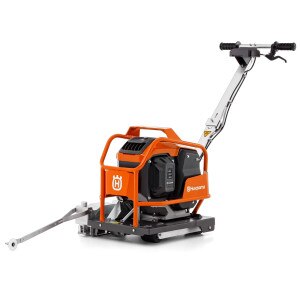
The New Husqvarna Soff-Cut 150 PACE Battery Early-Entry Concrete Saw: What Contractors Need to Know
The Husqvarna Soff-Cut 150 PACE battery-powered early-entry saw is built to solve both problems while removing the limitations of gas-powered saws. It combines Husqvarna’s Ultra Early Entry™ system with high-performance battery power, giving contractors a cleaner, quieter, and more efficient way to cut contraction joints at the right time.
Early-Entry Concrete Cutting Essentials
Early-entry concrete cutting is a crucial process when pouring fresh concrete as it minimized the chance of random cracking after the concrete sets. Ensure you have all the tools necessary to cut early-entry concrete with confidence.
Best Practices for Making Quality Soff-Cut® Joint Cuts
Making relief cuts in concrete is an overlooked technique that extends the life of concrete by controlling random cracking. Adhere to the following list of best practices will ensure your relief cuts are made confidently!
About Soff-Cut® Early-Entry Blades
Explore Soff-Cut early-entry concrete blades, a revolutionary technology in concrete cutting. Minimize random cracking in concrete thanks to this new concrete cutting technique.