



Cutting Metal with Diamond Blades
Published on
July 29th, 2024
Understanding Diamond Blades for Metal Cutting
When it comes to cutting tough materials like metal, diamond blades are a top choice for professionals. Known for their durability and precision, these specialized blades are engineered to withstand the extreme demands of metal cutting. Selecting the right diamond blade ensures efficiency, longevity, and clean cuts, reducing the need for additional finishing work.

Types of Diamond Blades for Metal Cutting
Not all diamond blades are the same. While some are optimized for masonry or concrete, others are specifically designed for cutting metal. Below are the primary types of blades suited for metal-cutting applications:
Metal-Cutting Diamond Blades
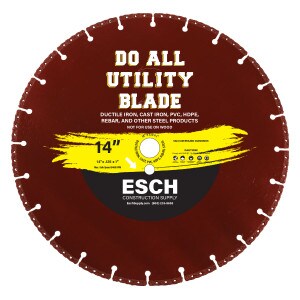
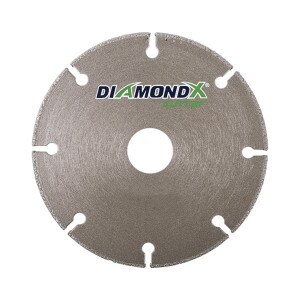
These blades feature a specialized bond matrix designed to handle the hardness and heat generated during metal cutting. They are ideal for slicing through ferrous metals, such as steel and iron, with minimal wear and high precision.

Abrasive Blades
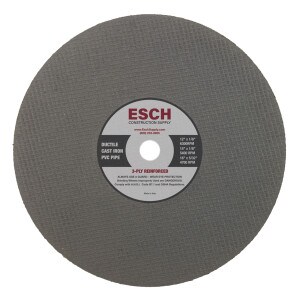
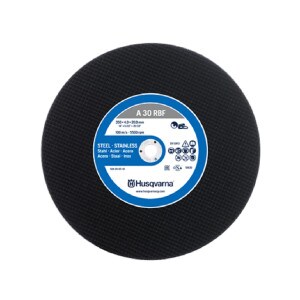
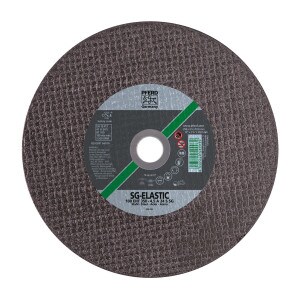
Although not true diamond blades, abrasive blades are commonly used for metal cutting. Composed of materials such as aluminum oxide, silicon carbide, or zirconium, these blades are bonded with resin to create a sharp, durable cutting edge. While effective, they tend to wear out faster than diamond blades and may require more frequent replacements.

Benefits of Using Diamond Blades for Metal Cutting
Choosing a diamond blade for metal cutting offers several advantages over traditional abrasive blades:
•Precision Cuts: Diamond blades provide clean, accurate cuts, minimizing material waste and reducing the need for additional finishing.
• Extended Lifespan: High-quality diamond segments ensure longer blade life compared to abrasive alternatives, offering better long-term value.
• Faster Cutting Speed: Reduced resistance allows for quicker cuts, increasing productivity on the job site.
• Greater Durability: Engineered to withstand intense heat and friction, diamond blades maintain performance even in demanding conditions.

Cut Metal with Confidence
Diamond blades are an essential tool for professionals and homeowners tackling metal-cutting projects. By selecting the right blade and following best practices, you can enhance both efficiency and precision. Need assistance choosing the best blade for your application? Contact us today for expert guidance on metal-cutting solutions.
Shop Metal Cutting Products

Cut-Off Saw Kickback Prevention and Diamond Blade Safety Tips
Reactive forces can occur any time a cutting wheel is spinning. The same power that lets a blade chew through concrete, asphalt, or pipe can work against you if the wheel slows or stops. When a wheel binds or pinches, those forces can act instantly and throw the saw out of your control, which can lead to serious injury.
Best Blades for Masonry Cutting: Top Diamond Blades for Brick, Block, and Hard Materials
If you’re cutting brick, block, pavers, or hard masonry on the job, the right diamond blade makes a big difference. The right blade cuts faster, tracks straighter, and holds up longer, which means fewer blade changes and fewer headaches.
Segmented vs. Turbo vs. Continuous Rim Diamond Blades: Which One Should You Use?
If you’ve ever stood in front of a blade rack wondering which diamond blade to buy, you’re not alone. The biggest difference between common diamond blade types comes down to the rim design:
Diamond Blades Near Me (In Stock + Ready for Pickup)
Looking for diamond blades near you? Esch Construction Supply stocks professional diamond blades for concrete and asphalt cutting, with the right options for handheld cut-off saws and walk-behind saws.
Abrasive Cut-Off Saw Wheels: How to Use Them Safely
Abrasive cut-off saw wheels are a common tool on jobsites, especially for cutting steel and masonry. When they’re used and handled correctly, they’re effective and reliable. Most problems don’t come from the saw itself. They come from damaged wheels, improper storage, or using the wrong wheel for the RPM of the saw.