



Fueling Your Saw: Properly Mixing Oil and Gas
Published on
February 7th, 2024
To ensure your saw runs smoothly, lasts longer, and performs at its best, it's crucial to use the proper fuel mixture.
Understanding the correct oil-to-gas ratio is vital to maintaining optimal performance and preventing unnecessary damage. An improper mix can lead to carbon build-up on your spark arrestor, scoring on the piston and cylinder, or even damage to the saw's bearings.
By mixing oil and gas properly and following good maintenance practices, you’ll maximize your saw’s lifespan and efficiency—benefiting both your equipment and your work.
What You’ll Need:
- 1-gallon gas can
- Synthetic 2-cycle engine oil
- 89+ octane gas (no more than 10% ethanol)
- Gloves

Before mixing, it’s essential to understand how to properly blend oil and gas for your saw to ensure long-lasting performance. Using the correct fuel mixture can help you avoid costly repairs and keep your equipment in top condition. For example, all STIHL gasoline-powered equipment requires a 50:1 mixture of gasoline and 2-cycle engine oil. If you're using a 1-gallon container for mixing, here are the essential steps to follow:
3 Simple Steps to Properly Mix Fuel:
1. Pour 2.6 fl oz of 2-cycle oil into your 1-gallon container.
2. Fill the container with 89+ octane gas up to the 1-gallon line.
3. Seal the lid tightly and shake the container thoroughly to ensure the oil and gas are fully mixed.

Additional Fuel Mixing Tips for Better Saw Performance:
• Use 89+ octane fuel with low or no ethanol for better engine performance and longevity.
• Only mix enough fuel for a few days of work to avoid storing fuel for long periods.
• Do not store fuel for more than 30 days. Old fuel can cause poor engine performance.
• Ensure proper mixing based on your gas can’s capacity for accurate ratios.
• Use all of your remaining fuel before refilling to prevent uneven fuel mixtures and oil settling in your saw.
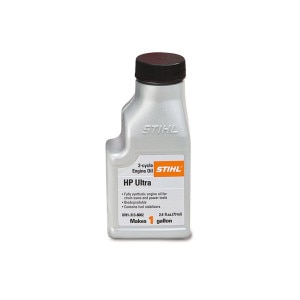
• For the best results, we recommend using STIHL High-Performance Ultra 2-cycle engine oil with your gasoline-powered cut-off saw for optimal performance.
How to Mix Oil and Gas
Bonus: Oil and Gas Mixing Ratio Chart
For convenience, here’s a quick reference guide to help you get the correct oil-to-gas ratio for your saw:

Conclusion
Mixing oil and gas correctly is crucial to your saw’s performance, longevity, and reliability. By following these simple steps and tips, you can avoid common issues like carbon build-up, piston damage, and poor performance.
Always use the recommended fuel, follow the right ratio, and ensure that you’re using fresh fuel to keep your saw in top shape for the long haul. Proper fuel mixing isn’t just good for your saw—it’s good for your bottom line, too.
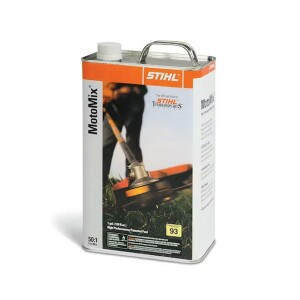
SHOP STIHL MOTOXMIX ENGINE OIL


READ MORE ABOUT SERVICE AND REPAIR
Why Wolf Paving Relies on Esch Construction Supply to Keep Equipment Running
When equipment goes down, contractors need fast answers, dependable repairs, and a team they can trust to keep jobs moving. In this customer testimonial, Brian from Wolf Paving shares his experience working with the Esch Construction Supply parts and repair team in Waukesha, Wisconsin
Plate Compactors & Rammer Repair: What Contractors Should Know
Plate compactors and rammers are jobsite workhorses. From base prep and trench work to asphalt patches and flatwork support, these machines take constant abuse. Dirt, dust, vibration, and hard impacts are part of the job. Keeping them maintained and repairing issues early helps avoid breakdowns that stall your crew and throw schedules off track.
Soff-Cut Saw Repair and Concrete Saw Repair: What Contractors Should Know
Soff-Cut saws are a big part of clean, professional concrete flatwork. They let you get into the slab early, cut control joints on time, and help reduce random cracking. But early-entry saws also live in dust, slurry, heat, and vibration. If you want consistent cut quality and fewer jobsite surprises, regular maintenance and quick repairs matter.
Hand-Held Grinder Repair and Maintenance for Professional Contractors
Hand-held grinders take on some of the toughest work in concrete construction. Cutting, grinding, tuckpointing, and surface prep all put heavy strain on the tool. When a grinder starts to lose power or run inconsistently, it can slow your crew down fast. Keeping these tools in top shape is just as important as choosing the right cup wheel or shroud.
Cut-Off Saw Repair and Concrete Saw Repair: What Contractors Should Know
Cut-off saws and concrete saws take a beating on every job. Dust, vibration, heat, and heavy use all add up. When a saw isn’t running right, it slows the crew down and hurts production for the day. That’s why keeping your saw in good shape matters just as much as picking the right diamond blade.