



Expert Insights: Concrete Cutting Safety, Maintenance Tips, and Best Practices / Dust-Free Solutions
Extend the Filter Life on Your Concrete Dust Vacuums
Published on
February 1st, 2024
In the construction industry, managing concrete dust is an ongoing challenge. Not only does concrete dust pose serious health risks, but it can also damage equipment if not properly controlled. One of the most critical maintenance tasks for ensuring a safe and efficient workspace is regularly cleaning the air filter on your concrete dust extractor.
In this blog post, we'll explore why maintaining a clean filter is essential and provide a step-by-step guide to help you keep your concrete dust vacuum operating at peak performance.
Why a Clean Filter Matters
Health and Safety
Concrete dust contains fine, hazardous particles that, when inhaled, can lead to serious respiratory issues and long-term health problems. A properly maintained air filter in your concrete dust vacuum acts as the first line of defense, capturing these particles before they become airborne. Regularly cleaning the filter ensures a safer work environment for you and your crew.
Maximizing Equipment Performance
Efficient dust extraction is crucial for maintaining both the performance and longevity of your concrete dust vacuum. As dust accumulates in the filter, airflow becomes restricted, reducing suction power and overall efficiency. A clean filter allows your vacuum to operate at full capacity, preventing clogs and maximizing dust collection.
Why Concrete Vacuum Filters Wear Out
During grinding or cutting, a dust vacuum cycles air through its filters every 30 seconds to clear accumulated dust. This automatic pulsing system momentarily reduces suction before returning to full power. With continuous use, the highly abrasive nature of concrete dust gradually wears down the filters. On average, vacuum filters last about three months with moderate use. If you notice a decrease in suction or overall performance, it’s a strong indicator that your filters need cleaning or replacement.

How to Clean or Replace Your Concrete Dust Vacuum Filter
Step-by-Step Guide
1. Turn Off and Unplug
Before performing any maintenance, ensure the vacuum is completely powered down and unplugged to prevent electrical hazards.
2. Access the Air Filter
Locate and open the filter compartment according to your vacuum model's specifications. Some vacuums require removing a cover, while others have easily accessible filter slots.
3. Inspect the Filter
Examine the filter for visible dust buildup or damage. If the filter appears clogged but intact, it’s time for cleaning. If it shows signs of wear or damage, replace it immediately.
4. Pre-Cleaning Dust Removal
Before removing the filter, use a soft brush or compressed air to dislodge loose dust. This helps prevent excess dust from becoming airborne during the cleaning process.
5. Clean the Filter Properly
Use compressed air or a soft brush to gently clean the filter, ensuring all dust is removed from pleats and folds. Avoid excessive pressure that could damage the filter material.
6. Inspect Seals and Gaskets
Check the vacuum’s seals and gaskets for wear or damage. Proper sealing is essential to prevent dust leaks and maintain optimal suction power.
7. Reassemble the Vacuum
Once the filter is cleaned or replaced, securely reassemble the vacuum, ensuring all components are properly aligned and sealed.
8. Test the Vacuum
Power on the vacuum and test its suction performance. If suction is strong and consistent, your filter maintenance was successful.
The Esch Vac 552: A High-Performance Solution

By following these maintenance steps, you can extend the life of your vacuum’s filter, enhance dust control, and ensure optimal performance on the job site. Investing a few minutes in routine filter maintenance can significantly impact both your equipment’s longevity and your team's health
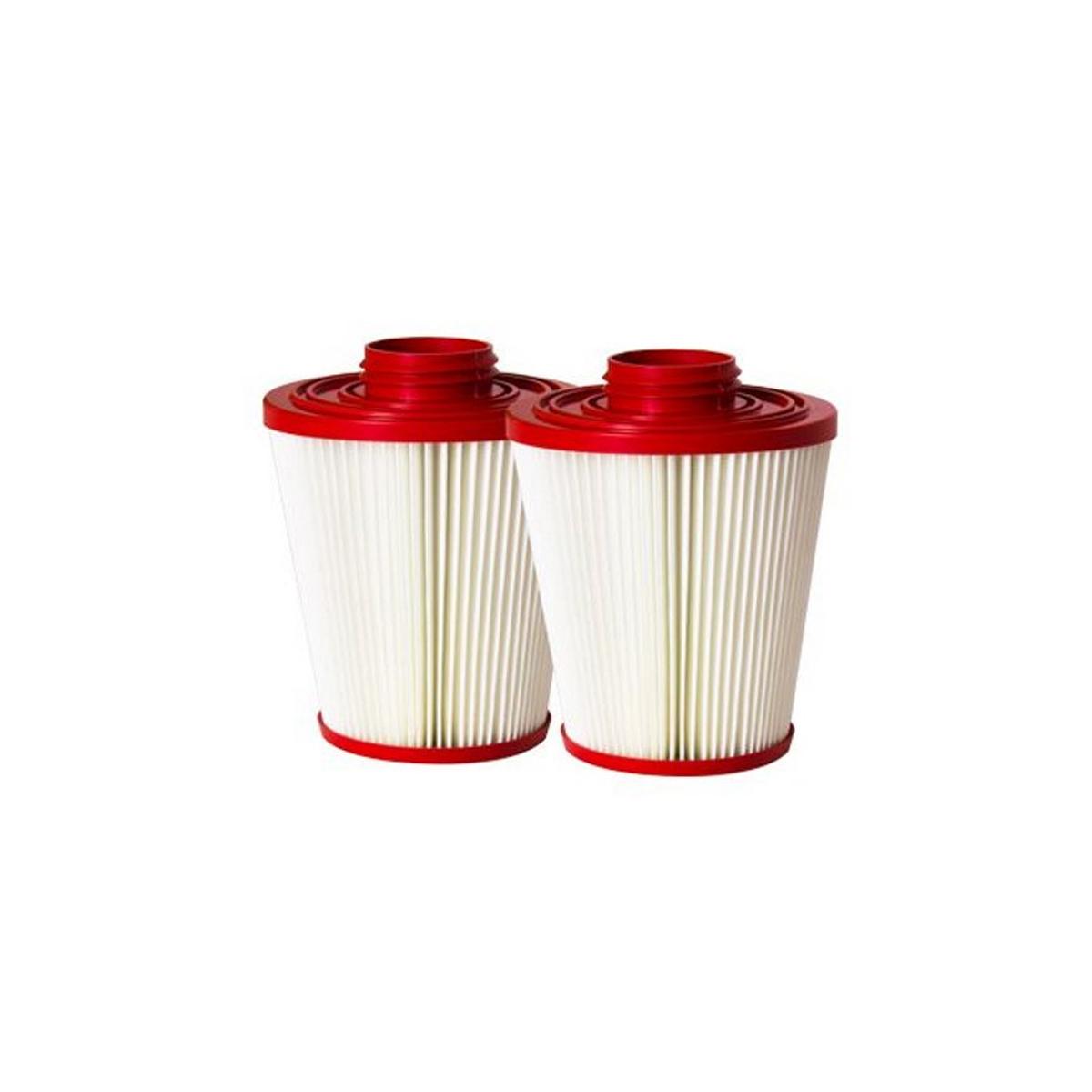
Pulse-Bac 103648-04 - DUST FILTER REPLACEMENT KIT HEPA H-13 TWIST ON FILTERS FOR PB550/PB575/ESCHVAC - SET OF 2
Pulse-Bac 500 Series Filter Replacement Kit (Set of 2). Also fits the Esch Vac 500 Series Vacuums.
Available: 56
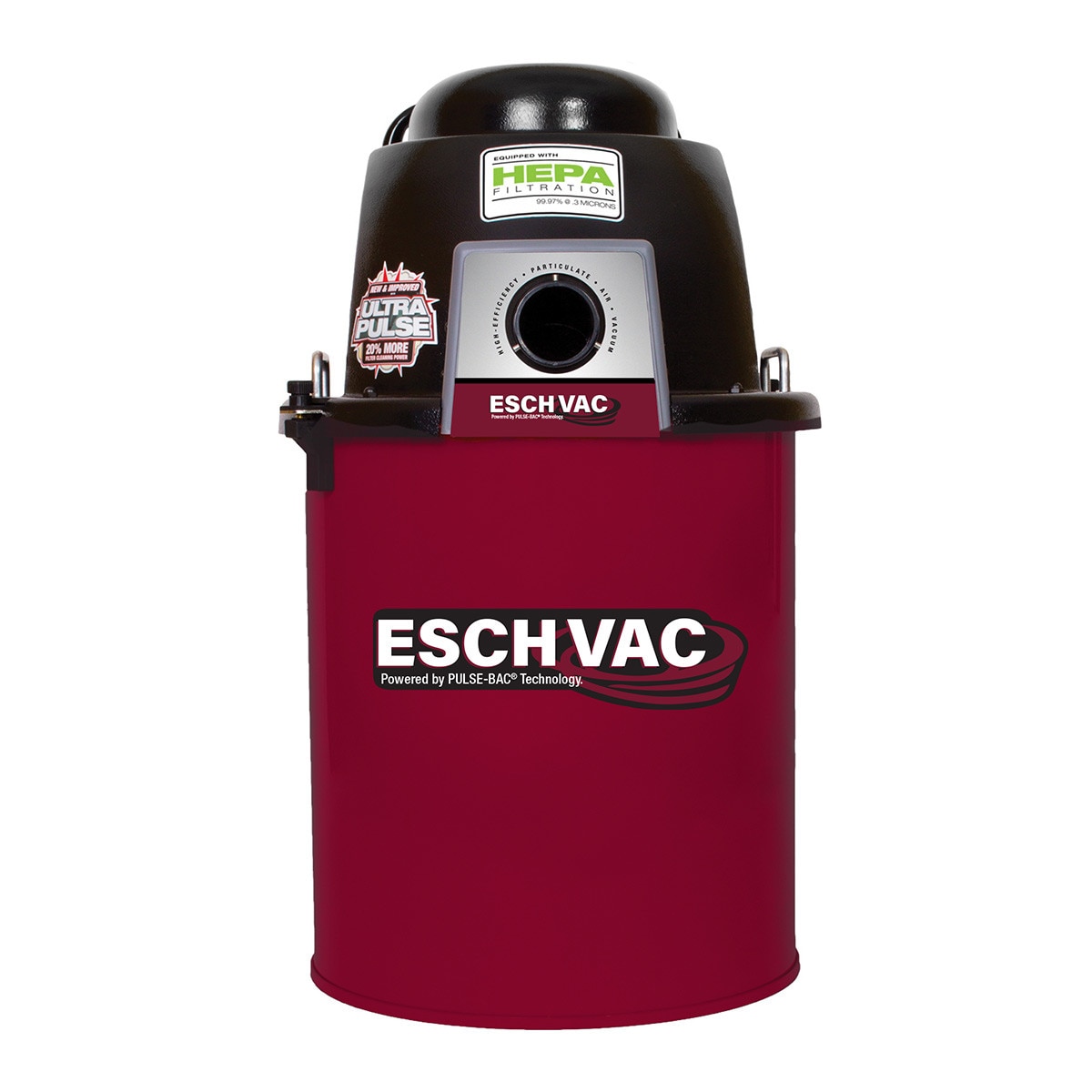
EschVac 552 8 Gallon Dust Extractor with Auto Start
Esch Vac 552 – Industrial-Grade HEPA Vacuum for Silica Dust Control & Jobsite Efficiency
The Esch Vac 552 delivers unmatched power and reliability in dust extraction. Built on the proven foundation of the Pulse-Bac 552, this high-performance HEPA vacuum is purpose-built to meet OSHA silica dust compliance standards while keeping your jobsite clean, safe, and productive.
Key Benefits: Why Choose the Esch Vac 552?
- OSHA-Compliant Dust Control
Equipped with certified HEPA filters and patented Pulse-Bac® self-cleaning technology, the Esch Vac 552 captures 99.97% of silica dust down to 0.3 microns—keeping your crew safe and your worksite compliant. - No-Stop Productivity with Automatic Filter Cleaning
Unlike traditional vacuums that clog and slow down, our innovative Pulse-Bac® system cleans filters while you work, so you never have to pause for manual cleaning—saving you time and money. - Built for the Toughest Conditions
Rugged steel construction, industrial-grade components, and a powerful twin-motor system make the Esch Vac 552 the go-to dust collector for concrete grinding, surface prep, demolition, and other demanding trades. - Flexible & Portable
With durable caster wheels and a compact design, this vacuum is easy to maneuver around tight job sites or transport between locations. Whether you're grinding concrete or cutting masonry, it's ready to move with you. - Simple Maintenance, Long-Term Durability
Designed for low-maintenance operation and maximum uptime, the Esch Vac 552 is a long-term investment in jobsite efficiency and safety.
Ideal Applications
- Concrete grinding & polishing
- Masonry & tuckpointing
- Drywall sanding
- Floor prep & demolition
- Silica dust collection in general construction
Specs at a Glance
- CFM: 150
- Power Source: Dual motor, 20 amp (110V)
- Filter System: Certified HEPA filtration
- Cleaning System: Pulse-Bac® Automatic Filter Cleaning
- Construction: Powder-coated steel body
- Hose Port: 2” inlet for high airflow tools
Take Control of Dust – And Your Jobsite Productivity
Don’t let dust slow you down. The Esch Vac 552 is your all-in-one solution for compliance, performance, and productivity. Whether you're tackling concrete prep or need reliable silica dust control, this vacuum is built to deliver job after job.
Available: 36
FEATURED BLOGS
Find the Right ICS Diamond Chain, Guide Bar & Sprocket With the ICS PartFinder
ICS Diamond Tools has introduced a new online PartFinder that makes it easier to narrow down the correct cutting components for your saw.
DMOL Overlay Diamond Blade Delivers Longer Life in Tough Chicago Cutting Conditions
Overlay cutting is hard on diamond blades. Contractors are often cutting through changing materials, abrasive sections, hard aggregate, existing concrete, and unexpected steel in the same job. A blade that performs well in one layer can lose speed or wear quickly when it reaches the next.
Bosch Power Tools Now Available at Esch Construction Supply
Bosch Power Tools is a global manufacturer with a professional power tool lineup built for demanding construction, concrete, masonry, and industrial applications.
The Benefits of Using a Dust Shroud for Tuckpointing
he Esch 6" Heavy-Duty Tuckpointing Shroud for Handheld Grinders was designed as a replacement for the discontinued Metabo tuckpointing guard. It accommodates blades up to 6 inches and is compatible with select Metabo and Bosch handheld grinders, giving contractors a durable solution without changing their preferred tools.
Why Wolf Paving Relies on Esch Construction Supply to Keep Equipment Running
When equipment goes down, contractors need fast answers, dependable repairs, and a team they can trust to keep jobs moving. In this customer testimonial, Brian from Wolf Paving shares his experience working with the Esch Construction Supply parts and repair team in Waukesha, Wisconsin